

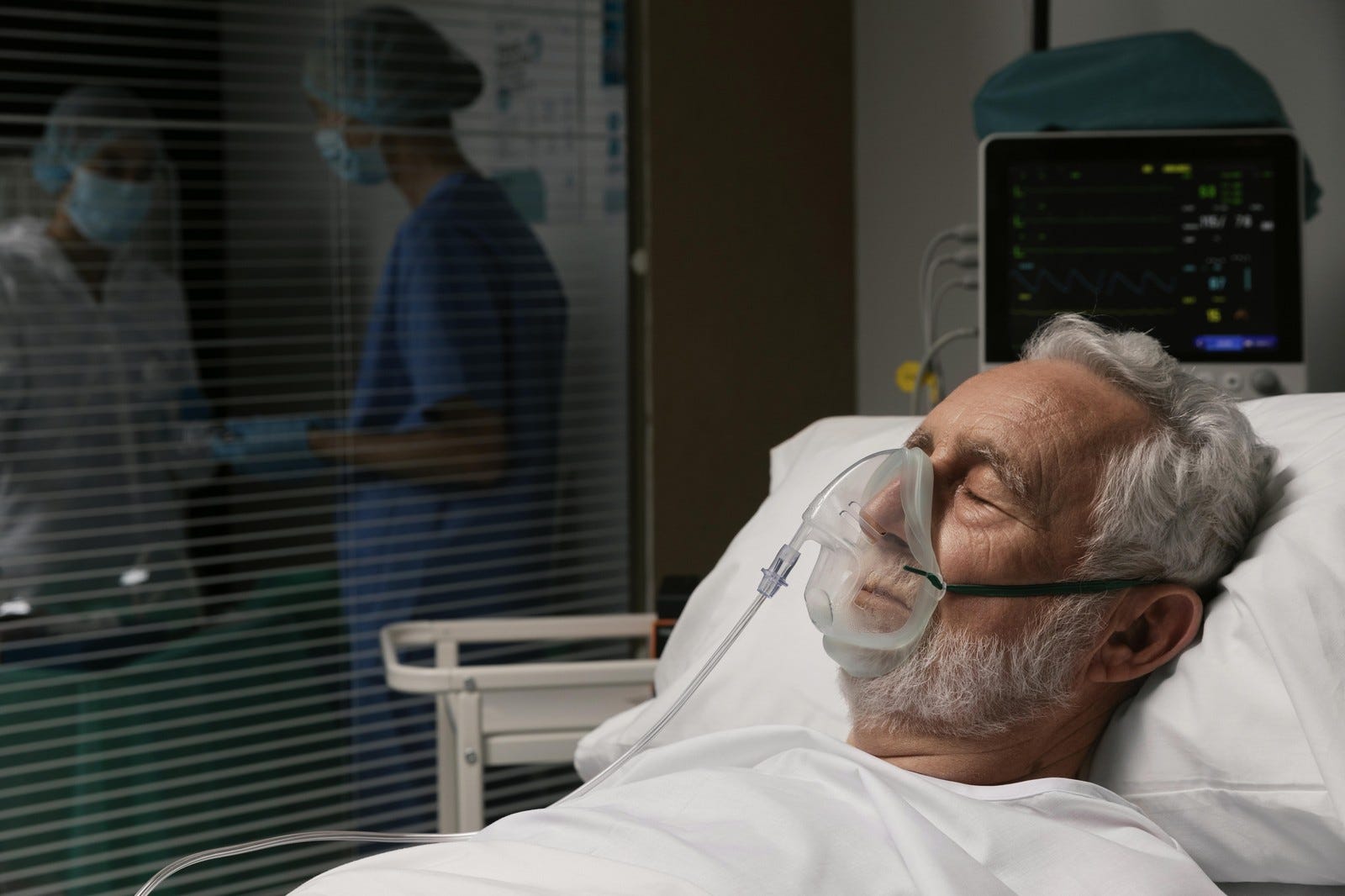
Something that bothers me about access to intensive care (ICU) for older people is how variable these decisions can be.
The informational basis of these decisions is sometimes not that solid. Like a second hand account of someone’s functional status pre-admission.
Studies show that Clinical Frailty Scale ratings are sometimes incorrect, especially when done at the front door with incomplete information. And sometimes we don’t have full access to the medical records.
Even with good information there is substantial variability in my experience (and also shown by various studies).
Admission to ICU is based on a judgement of perceived benefit vs cost. Yet given the variability in these judgements it’s clear that on some days a person will be admitted to ICU and have a higher chance of survival, and on other days not be admitted and be more likely to die.
I wonder what percentage chance of survival is applied in these decisions. 20%? 50%? How high does it have to be before admission happens?
And if the person is not admitted because of the argument that even if they survive, their quality of life will not be worth it, how is that judged?
Consider a person (an example case, composite) appearing in the hospital as an emergency with severe pneumonia (hypoxic, low blood pressure not initially responding to repeated fluid boluses) and delirium who has a history of hypertension, early Parkinson’s disease, type 2 diabetes and osteoarthritis. The person is 78 and gets out to the shops, does not have formal social care, but is somewhat unkempt on arrival in the hospital and has shown signs of some cognitive impairment and has had three falls in the last year according to a brief phone call to a relative (though no diagnosis of dementia).
This is a person with a high chance of not surviving, but who has a better chance of survival with ICU admission.
How do we make judgements here? Who is to say that even if they survive the ICU admission their quality of life would not be good enough to make an ICU admission overall of benefit to them (i.e. being alive but perhaps in a less good functional state)? If they say that, what is the basis of that judgement? Is it EBM (evidence-based medicine) or clinical experience? And if it is clinical experience, what is that individual’s actual experience informing this decision?
Presence of family to advocate plays a role here. So does bed availability (this was a major factor during the COVID-19 pandemic). Neither of these factors relates to the benefits/costs equation, yet they are definitely in the equation in the real world.
Would be interested to hear any thoughts or observations. Keen to know what frameworks exist to ensure that these decisions are as good as we can make them.